
Trump Says U.S. Deal with Iran Is Now Complete, Authorizes Removal of Naval Blockade from Strait of Hormuz
Historical Context and Strategic Shifts
Wertynews.com – President Donald Trump’s recent declaration that the U.S.-Iran deal is “now complete” marks a pivotal moment in the ongoing diplomatic efforts between the two nations. The agreement, which Trump emphasized as a breakthrough, aims to resolve longstanding tensions by addressing key issues such as Iran’s military operations in the region and its nuclear program. This development comes after months of negotiations involving multiple international mediators, including Saudi Arabia, Turkey, and Qatar, who played critical roles in bridging the gap between the United States and Iran. The deal’s completion signals a strategic shift in how both countries approach their relationship, particularly in the context of the Strait of Hormuz—a vital maritime chokepoint for global oil trade.
“Congratulations to all! I hereby fully authorize the toll-free opening of the Strait of Hormuz, and simultaneously herewith, authorize the immediate removal of the United States Naval blockade,” Mr. Trump stated in a social media post, underscoring the symbolic importance of the accord. The move to lift the blockade was a direct response to Iran’s potential disruption of shipping lanes, which had been a major concern for the U.S. and its allies. By endorsing this action, Trump positioned the agreement as a win for international stability and economic flow, especially in light of the global reliance on Middle Eastern oil.
Diplomatic Process and Agreement Details
The U.S.-Iran deal was finalized with the support of diplomatic intermediaries, with pre-implementation discussions scheduled in Doha this week before the formal signing in Switzerland on June 19. While the specifics of the agreement remain classified, sources indicate that it includes provisions for the temporary halt of military operations in Lebanon, a move that reflects broader efforts to de-escalate regional conflicts. However, the inclusion of this pause has raised questions about Iran’s alignment with other regional powers, particularly Israel, which has yet to confirm its endorsement of similar measures in the region.
Trump’s administration had previously outlined the deal’s framework, emphasizing its focus on limiting Iran’s military activities in the Persian Gulf and its nuclear ambitions. The agreement also addresses the issue of Iran’s ballistic missile program, with the U.S. pledging to reduce sanctions in exchange for Iran’s commitment to curbing its expansion. This reciprocal approach is intended to foster trust between the adversaries, though Iranian Deputy Foreign Minister Kazem Gharibabadi noted that the deal was crafted “in an atmosphere of continued distrust,” according to Tasnim news agency.
“The agreement does not signify trust in the enemy and was drafted in an atmosphere of continued distrust,” Gharibabadi remarked, highlighting the cautious nature of the negotiations. Despite this, the deal is seen as a critical step toward reducing the risk of military confrontation, particularly with the U.S. Navy’s blockade of the Strait of Hormuz being a major point of contention. The removal of the blockade is expected to ease tensions and restore confidence among international shipping companies operating in the region.
Global Reactions and Geopolitical Impact
The announcement of the deal has elicited mixed reactions from global leaders and analysts. While some applaud the move as a diplomatic victory, others remain skeptical about its long-term effectiveness. For instance, the European Union has expressed cautious optimism, viewing the agreement as a potential tool to ease sanctions on Iran and promote regional cooperation. However, concerns linger about Iran’s compliance with the terms, especially given its history of nuclear proliferation and support for militant groups in the region.
Meanwhile, countries in the Gulf Cooperation Council (GCC) have welcomed the deal, as it reduces the likelihood of a direct military clash with the U.S. This is particularly significant for nations like Saudi Arabia and the United Arab Emirates, which have been affected by Iran’s regional influence. The agreement also has implications for the broader Middle East, where the U.S. has been working to stabilize fragile alliances and counter Iranian expansionism. Analysts suggest that the deal could serve as a foundation for future negotiations, though its success will depend on the execution of its terms and the willingness of both sides to uphold their commitments.
Strategic Significance of the Strait of Hormuz
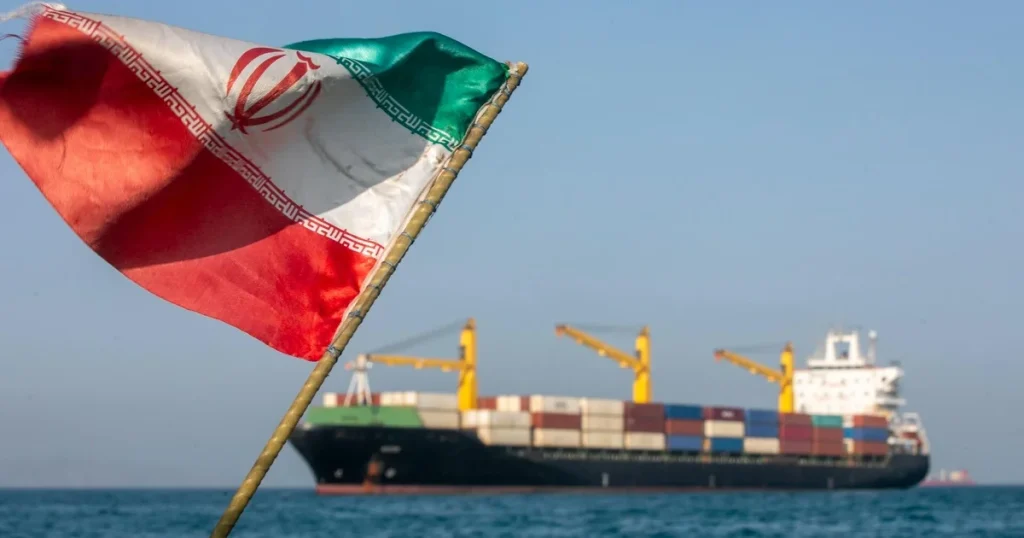
The Strait of Hormuz, a narrow waterway connecting the Persian Gulf to the open ocean, is strategically critical for global energy security. Approximately 20% of the world’s oil supply passes through this passage annually, making it a focal point for both military and economic interests. By authorizing the removal of the Navy blockade, Trump has signaled a commitment to ensuring the free flow of maritime traffic, which could have immediate benefits for oil-importing nations and stabilize global markets.
However, the strategic importance of the strait extends beyond oil. It is also a key area for naval operations, with the U.S. and its allies frequently conducting patrols to deter Iranian aggression. The lifting of the blockade is not merely symbolic; it reflects a calculated risk by the U.S. to reduce tensions while maintaining a strategic presence in the region. This decision aligns with Trump’s broader foreign policy of balancing economic incentives with military deterrence, a strategy that has been both praised and criticized by international observers.
“Ships of the World, start your engines. Let the oil flow!” Trump exclaimed, capturing the essence of the deal’s economic promise. The removal of the blockade is expected to boost trade and reduce the cost of oil for consumers, but it also underscores the U.S.’s role as a guardian of global energy interests. As the deal moves forward, the focus will shift to monitoring its impact on regional security and ensuring that both parties adhere to the agreed terms.
Challenges and Future Prospects
While the U.S.-Iran deal has been hailed as a major achievement, several challenges remain. The agreement’s success hinges on Iran’s ability to maintain its commitments, particularly in the face of domestic and international pressures. Additionally, the U.S. must navigate its complex relationships with allies in the region, ensuring that the deal does not undermine their security concerns. The involvement of mediators like Qatar and Turkey in the negotiations highlights the importance of multilateral cooperation in resolving bilateral disputes, a trend that could shape future diplomatic efforts.
Looking ahead, the deal’s long-term implications will depend on how both nations manage their respective interests. For the U.S., the agreement offers a chance to reengage with Iran in a more constructive manner, potentially easing the pressure on Gulf states. For Iran, the deal provides an opportunity to secure economic relief while maintaining its geopolitical leverage. As the agreement is implemented, ongoing dialogue and monitoring mechanisms will be essential to address any emerging issues and solidify the partnership between the two countries.
“This agreement is a strategic realignment that reflects our commitment to peace and prosperity in the region,” Trump reiterated in a press briefing, emphasizing the deal’s broader goals. The path forward, however, will require sustained effort and a willingness to adapt to changing circumstances. With the Strait of Hormuz now open to global shipping, the U.S. and Iran have taken a significant step toward resolving their differences, setting the stage for a new era of cooperation in the Middle East.