
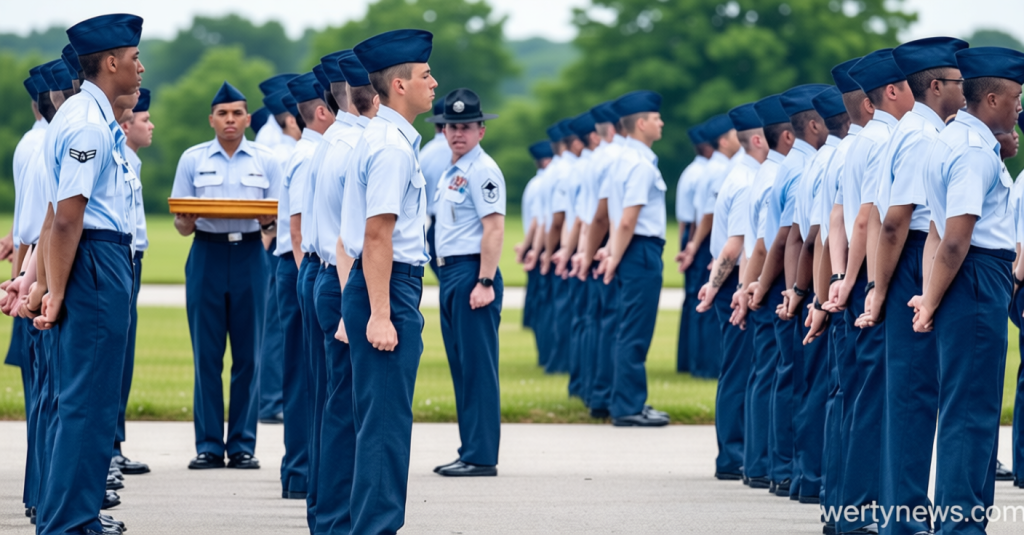
U.S. Military Reinstates Flu Vaccine Mandate for Recruits Amid Lackland Base Outbreak
Flu Outbreak at Lackland Air Force Base Sparks Policy Shift
Wertynews.com – The U.S. military has reinstated a requirement for flu vaccines among recruits, a decision prompted by a recent outbreak at Lackland Air Force Base in San Antonio, Texas. According to a congressional staffer, the Basic Military Training program has seen over 275 cases of influenza within the past weeks, raising concerns about the spread of the virus in a high-density environment. This development has led to a reversal of the earlier policy that made flu vaccinations optional for service members, despite Defense Secretary Pete Hegseth’s initial push to lift the mandate.
While the outbreak was initially attributed to the voluntary policy, the Pentagon has since taken steps to reinforce vaccination protocols to ensure the safety of both recruits and the broader military community. The Air Force has implemented measures such as monitoring exposed trainees and administering antiviral treatments like Tamiflu to those showing symptoms. Additionally, exemptions for certain roles—such as healthcare workers and personnel in communal living spaces—were formally approved in early June, following requests from military departments by early May.
Operational Readiness and Health Prioritization
Defense Secretary Pete Hegseth had previously argued that flu vaccines were an “overly broad and not rational” requirement, making them voluntary for service members. However, the outbreak at Lackland has underscored the importance of maintaining vaccination standards, especially in training facilities where close quarters and shared resources heighten the risk of transmission. Military officials emphasize that the new mandate aims to safeguard at-risk populations while preserving operational readiness, a key priority for the armed forces.
“The decisions were based on thorough risk assessments and are designed to maximize operational readiness, lethality, and force generation, while safeguarding at-risk populations,” stated Chief Pentagon spokesman Sean Parnell in a statement. The policy adjustment reflects a shift in priorities, with health and safety now taking precedence over earlier cost-saving or flexibility measures.
Medical experts have noted that flu outbreaks in military settings can disrupt training schedules and increase hospitalization rates. By reinstating the requirement, the Air Force is aligning its approach with broader public health guidelines, which recommend annual vaccinations for high-risk groups. The policy change also comes as a reminder of the military’s historical commitment to preventive health measures, a practice that dates back centuries and continues to evolve with modern threats.
Historical Context and Recent Trends in Vaccination Policies
Flu vaccines have long been a staple of military health programs, with mandates dating back to the 1945 flu season. At that time, the military’s emphasis on immunization helped protect troops from disease during critical periods of service. The policy was later suspended in 1949 but reinstated in the 1950s, remaining in effect until Hegseth’s order to make flu vaccines optional in late April.
Similar to the flu mandate, the military has historically required vaccinations for diseases like hepatitis B, measles, mumps, and rubella. These programs were established as early as the Revolutionary War under General George Washington’s leadership. The current flu mandate shift highlights a recurring theme in military health policy: the balance between protecting personnel and adapting to changing public health landscapes.
Broader Implications for Military Health Strategies
The recent reinstatement of the flu vaccine requirement follows a pattern of policy adjustments in the military’s health protocols. Earlier this year, the Biden administration had mandated COVID-19 vaccinations for service members, leading to the departure of thousands who opted out. That requirement was lifted in 2023, and in 2022, President Trump allowed service members to reinstate the pandemic vaccine exemption.
These fluctuations in mandates illustrate the military’s responsiveness to public health challenges and the influence of political leadership on health policies. The flu vaccine mandate now serves as a strategic bridge between past pandemic measures and ongoing efforts to prevent seasonal illnesses. By targeting specific roles and environments, the policy aims to minimize disruption while maintaining a high level of preparedness for global missions.
Community and Personnel Impact
The outbreak at Lackland has not only affected training but also raised questions about the role of vaccinations in preventing broader health crises. With the flu season typically peaking in late winter, the timing of the outbreak has added urgency to the policy change. Trainees who have already contracted the virus are now being prioritized for rest and recovery, ensuring they can return to duty without compromising unit cohesion.
Commanders at Lackland have reported that the vaccine mandate has led to a noticeable decrease in new cases, though full implementation is still in progress. This outcome demonstrates the effectiveness of targeted immunization programs in reducing illness rates and maintaining mission capabilities. As the military continues to refine its approach, the focus keyword—military requiring flu vaccines for recruits—remains central to discussions about health and readiness.