
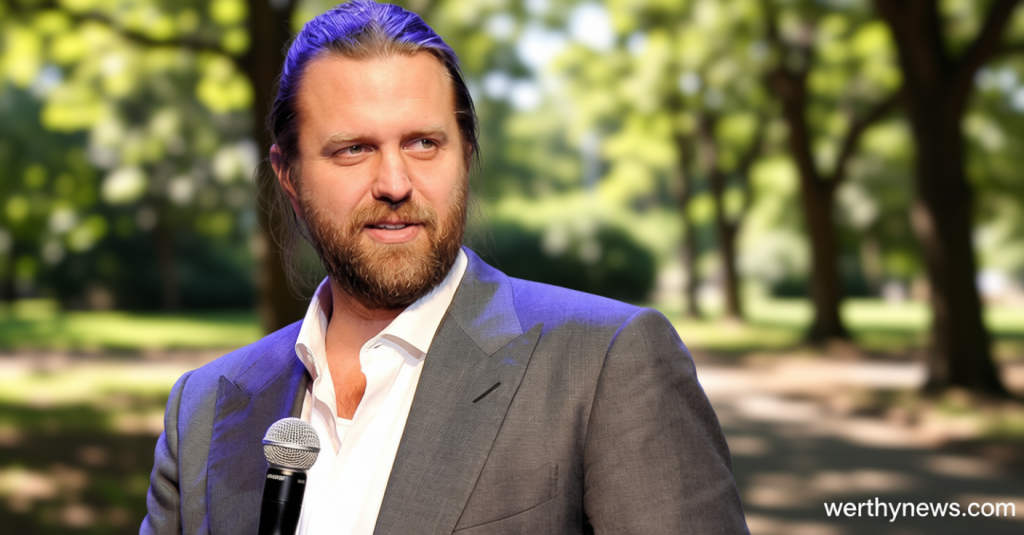
Carl Rinsch Gets 2.5-Year Sentence for $11 Million Netflix Fraud
Wertynews.com – Director Carl Rinsch has been sentenced to 2.5 years in prison for his role in a $11 million fraud case involving his unfinished Netflix project, “White Horse.” The conviction, which followed a December 2023 trial, highlights how Rinsch misused funds intended for production, leading to significant personal financial gains and leaving the show incomplete. The court’s decision underscores the legal consequences of financial deceit in the entertainment industry, with Rinsch’s sentence reflecting the severity of his actions.
Sentence and Conviction Details
Rinsch, best known for the 2013 samurai fantasy film 47 Ronin, was found guilty of federal wire fraud and related charges. Prosecutors argued that he misled Netflix by claiming the $11 million was necessary to complete the sci-fi series, while secretly diverting the funds to personal expenses. The sentence includes a three-year supervised release period and $11 million in restitution, emphasizing both the punishment and the need for accountability in the industry.
Prosecution’s Argument
During the trial, prosecutors detailed how Rinsch spent the money on luxury items, including five Rolls-Royces, a red Ferrari, and $652,000 in high-end watches and clothing. The fraud was described as a deliberate scheme, with Rinsch prioritizing personal indulgence over the project’s completion. His legal team argued that mental health issues and medication problems contributed to the misconduct, but the court deemed these factors insufficient to mitigate his responsibility.
The U.S. Department of Justice highlighted Rinsch’s actions as a clear example of greed-driven deception. “This case demonstrates how fraud can lead to substantial financial loss for companies,” stated Jay Clayton, the attorney for the Southern District of New York. The conviction sends a strong message that misusing funds for personal gain will face legal consequences, even when the individual has a high-profile career and influential connections.
Testimony and Mental Health Claims
Rinsch admitted to his mistakes during the sentencing hearing, stating that his mental health struggles and medication issues played a role in his decisions. “I failed to recognize the danger of the state I was in,” he explained. While his attorneys declined to elaborate on his psychological condition, they emphasized that these factors should be considered in future appeals. Rinsch also expressed remorse, acknowledging the harm caused by his actions and vowing to address his health with a new care provider.
Background of Carl Rinsch
Rinsch, born in the Los Angeles area, began his filmmaking journey as a teenager, gaining recognition through commercials before moving into feature films. His collaboration with Keanu Reeves on 47 Ronin brought him significant attention, but his recent legal troubles reveal a pattern of overpromising and underdelivering. The fraud case has since become a focal point for discussions on accountability and the pressures faced by creators in the entertainment industry.
Industry Reactions
Industry figures, including Keanu Reeves, expressed mixed reactions to Rinsch’s sentence. Reeves, who starred in 47 Ronin, praised Rinsch for his creativity and warmth, but acknowledged his potential for self-sabotage. “He can amplify the scale, scope, and landscape of what had been negotiated,” Reeves noted in a letter. Meanwhile, the prosecution argued that Rinsch’s actions were calculated, with his sentence serving as a deterrent for others in similar positions.
Netflix, which initially invested $44 million in White Horse and later provided an additional $11 million, did not comment on the sentence. However, the company’s financial loss and the impact on its production schedule have drawn public attention to the case. Rinsch’s 2.5-year prison term is expected to affect the film industry’s perception of trust and reliability among directors, particularly those with a track record of ambitious projects.