
Rishi Sharma Preserves WWII Veterans’ Legacy with 3,000 Interviews
Wertynews.com – Rishi Sharma, a history enthusiast in his early 30s, has dedicated over a decade to capturing the voices of more than 3,000 World War II veterans through one-on-one interviews. His journey began with a simple goal: to ensure the stories of those who fought in the war are not forgotten. As the number of surviving veterans dwindles, Sharma’s work has become a critical effort to preserve the legacy of a generation that shaped modern America. Each interview, often lasting several hours, is meticulously recorded and archived, serving as a living testament to the courage and sacrifice of those who served decades ago.
A Mission Rooted in Personal Connection
Sharma’s passion for WWII history stems from his own unique perspective. Unlike many who are drawn to the war through family ties, he discovered his love for the subject independently. “I wanted to connect with people who experienced the war firsthand,” he explains. His project, titled “Remember WWII,” has evolved into a nationwide initiative, with interviews conducted in diverse locations from Southern California to the Northeast. The 3,000 interviews represent not just a count of stories, but a deep dive into the personal experiences, emotions, and lessons of a generation that defined the nation’s identity.
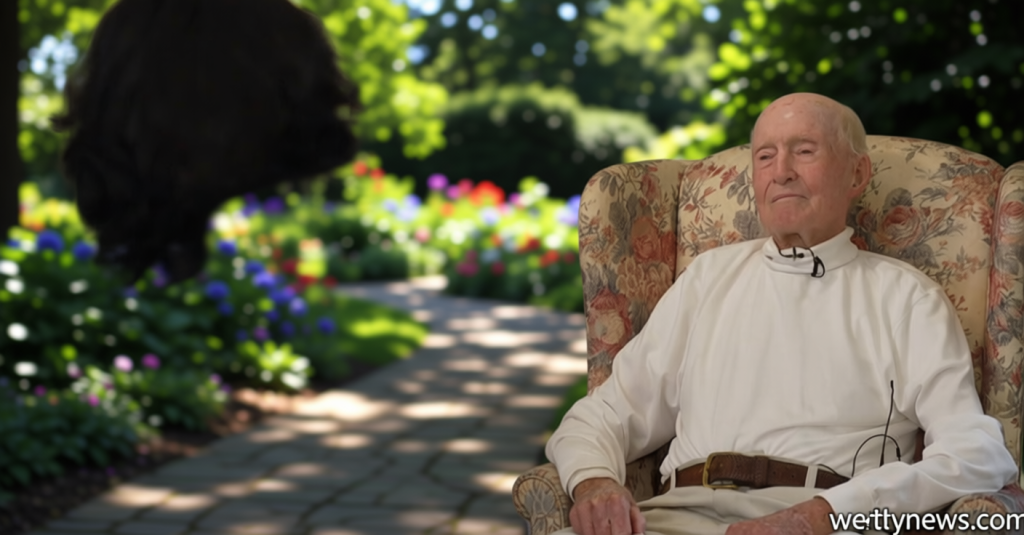
One of the most poignant moments in Sharma’s work came during an interview with Nils Mockler, a 100-year-old Marine veteran from Yorktown, New York. When asked about the symbolic moment of raising the American flag during the Battle of Iwo Jima, Mockler reflected with quiet intensity. “It was more than just a flag,” he said. “It was the weight of victory, the cost of freedom, and the hope for a better tomorrow.” This sentiment echoes the themes of resilience and patriotism that underpin Sharma’s mission, as he continues to document the final chapters of the war’s legacy.
Challenges of a Vanishing Era
As the years pass, the task of preserving WWII veterans’ stories becomes increasingly urgent. Over the past 25 years, the number of surviving combat veterans has dropped dramatically from nearly 700,000 to fewer than 30,000. This decline underscores the importance of Sharma’s work, as each interview is a rare opportunity to glimpse into the past. “The stories are fading, and without them, we lose a vital connection to our history,” he says. “These veterans are not just historical figures—they are living links to a time of great transformation.”
Sharma’s efforts also highlight the challenges of reaching out to an aging population. Many veterans are now in their 90s or beyond, requiring patience and persistence to secure their time. He often recounts how early in his journey, he had to adapt his approach to accommodate the unique needs of each interviewee. “Some wanted to share every detail, while others preferred to speak in fragments,” he notes. “But every conversation, no matter the length, adds value to the collective narrative.” His work has not only preserved individual memories but also created a tapestry of experiences that educate future generations.
Looking ahead, Sharma plans to expand the project’s reach by digitizing all recordings and making them accessible to schools and history enthusiasts. He envisions a future where the 3,000 interviews serve as a resource for understanding the war’s impact on American society and culture. “I want these stories to inspire others,” he says. “They are not just about the past—they are about the values that continue to shape our present.” His mission, while personal, resonates with a broader desire to honor the contributions of those who served in the war that ended in 1945.
As the 250th anniversary of American independence approaches, Sharma’s work takes on added significance. The sacrifices made by WWII veterans laid the foundation for the freedoms celebrated today, and their stories are essential to maintaining that connection. “They were the moral compass of our society,” he says, referencing the wisdom and guidance veterans offered during the post-war years. “Their legacy is more than a historical record—it’s a reminder of what it means to serve and endure.”