
NCAA President Says He Hopes to Dramatically Limit Prop Betting
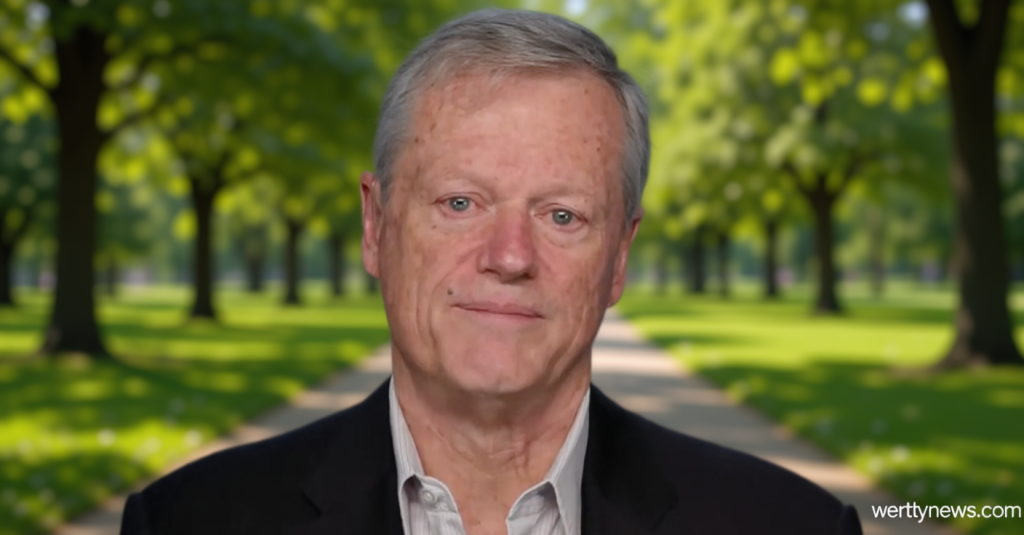
Wertynews.com – In a recent interview on “Face the Nation with Margaret Brennan,” NCAA President Charlie Baker emphasized his hope to “dramatically limit” the influence of prop betting in collegiate sports. The topic has become a central concern for the organization as it seeks to safeguard the integrity of athletic competitions and the experiences of student-athletes. Baker’s comments come amid growing scrutiny over how wagering on individual player outcomes has shifted the dynamics of fan interaction, creating a culture where athletes are often judged before, during, and after games based on their perceived performance potential rather than their actual actions on the field.
The Impact of Prop Betting on Fan Engagement
Baker described the phenomenon with a striking example: “Imagine being at a major college basketball game, sitting in the stands, and hearing fans criticize players as if they’re making decisions for them.” He elaborated that the presence of prop betting has led to a noticeable change in how fans engage with sports, often prioritizing financial incentives over genuine support for the athletes. This shift has raised concerns about the erosion of the “essence of fan engagement,” which Baker believes is essential for maintaining the spirit of collegiate athletics. He also highlighted the psychological toll on student-athletes, who now face immense pressure to perform not just for their teams but to satisfy the expectations of bettors who view them as marketable assets.
“The goal is to ensure that student-athletes are not just pawns in a betting game, but central figures in the excitement of competition,” Baker said. “Prop betting has created a situation where every play is analyzed for profit, rather than for the joy of the sport.”
NCAA’s Response to the Prop Betting Trend
Baker, who previously served as governor of Massachusetts from 2015 to 2023, noted that the NCAA was the first major sports organization to raise alarms about the rise of prop betting. His leadership has seen the creation of a dedicated task force to address the issue, which has been active since early 2023. This initiative stems from a growing awareness that the trend is not just affecting the athletes but also altering the very nature of sports as a collective experience. “We’ve seen firsthand how these bets have influenced the way fans interact with games, and it’s clear that something needs to change,” Baker stated, underscoring the urgency of the matter.
The NCAA’s efforts include a multi-pronged approach, with a focus on both regulatory measures and public awareness campaigns. A 2024 report on championship-related online abuse found nearly 750 instances linked to sports betting, representing 12% of all reported misconduct. This data, combined with a 2025 study revealing that 36% of Division I men’s basketball student-athletes faced social media criticism tied to prop bets in the prior year, has reinforced the organization’s commitment to addressing the issue. Baker pointed to these findings as a critical step in understanding the scale of the problem and the need for stricter guidelines.
Advocating for Stricter Regulations
Baker has been a vocal advocate for stronger rules governing prop betting, urging state gambling commissions to take a more proactive stance. He emphasized that while the practice has become increasingly popular due to its accessibility and profitability, it now poses a threat to the fairness of sports. “We need to eliminate wagers on individual player outcomes until we can establish clear guidelines that protect athletes from undue pressure,” he said. The NCAA’s 2023 initiative aims to achieve this by working with lawmakers to create a framework that balances the interests of fans, gamblers, and athletes.
As part of this effort, the NCAA has implemented a comprehensive surveillance program during major events, monitoring social media platforms for “particularly harmful” comments targeting coaches, players, or officials. This program not only identifies instances of online abuse but also provides data to support the need for regulatory action. Baker praised the initiative, stating that it has been instrumental in highlighting the real-time effects of prop betting on college sports culture. “The feedback we receive from these monitors helps us understand the full scope of the issue and informs our strategies for change,” he added.
Professional Leagues and the Future of College Sports
Baker also drew attention to the growing awareness in professional leagues, noting that the MLB has explored banning all prop betting while imposing targeted restrictions. The NFL, too, has taken steps to address the issue, with some teams implementing policies to limit wagers on key players. These developments have given the NCAA hope that similar measures could be adopted in collegiate sports. “I’ve been really pleased to see professional leagues begin to recognize that prop betting is a threat, not just to players, but to their families and the integrity of the game,” Baker said. He believes that by aligning with these efforts, the NCAA can set a precedent for a more sustainable approach to sports betting.
Looking ahead, Baker outlined the NCAA’s plans to continue engaging with stakeholders, including athletes, fans, and betting companies, to develop a collaborative solution. He stressed the importance of transparency and education, suggesting that fans need to understand the potential consequences of their bets. “Our hope is to create a system where the thrill of sports is not overshadowed by the pressure of profit,” Baker explained. The NCAA president’s call to action has sparked renewed conversations about the role of gambling in college athletics and the need for a balanced, fair, and athlete-friendly approach.