
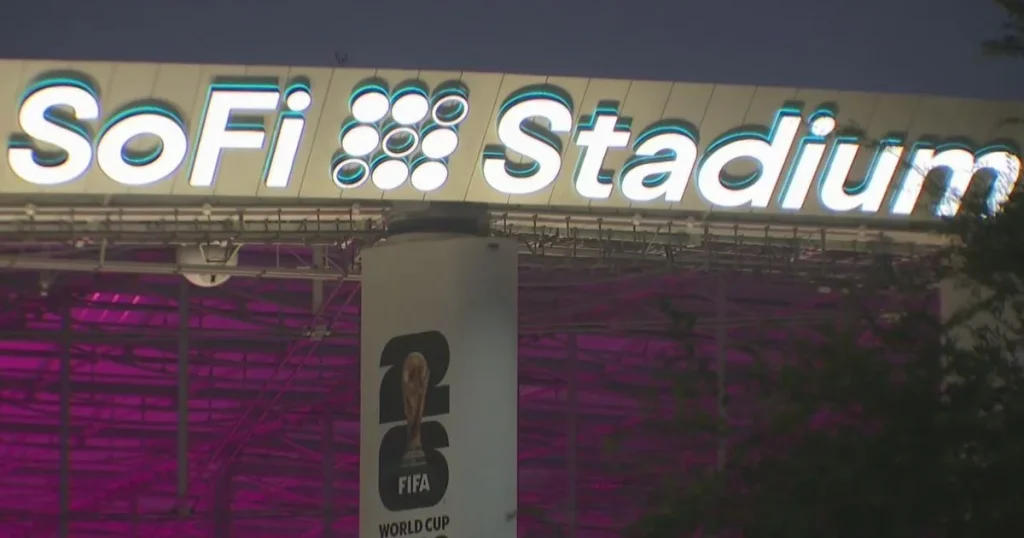
Sofi Stadium Workers Authorize Strike for 2026 FIFA World Cup
Wertynews.com – SoFi Stadium workers authorize strike ahead of the highly anticipated 2026 FIFA World Cup, which will be held in Los Angeles and surrounding areas. A critical decision by the union representing hospitality staff at the venue has set the stage for potential labor disruptions during the global football event. Unite Here Local 11, the labor union behind the strike vote, reported that 96% of its members approved the action, signaling a strong consensus among workers. This move highlights growing tensions over working conditions and security measures, as the stadium prepares to host eight matches in June 2026.
Union Demands Address Worker Safety Concerns
The strike authorization stems from a series of grievances raised by the workers, with immigration issues taking center stage. Members of the union, including Yolanda Fierro, have expressed fears that the presence of Immigration and Customs Enforcement (ICE) agents at the stadium poses a threat to their safety. “We’re worried about coming to work because many of us are on temporary visas from abroad,” Fierro said during a press statement. The union argues that the federal agents create an environment of fear, particularly for employees who are not U.S. citizens. This concern has been amplified by reports of increased surveillance and questioning of staff during the World Cup preparations.
Unite Here Local 11 claims that the ICE deployment is not only a safety issue but also a symbol of broader labor disputes. The union has accused the stadium’s management of failing to address their concerns adequately, despite multiple rounds of negotiations. Workers are demanding assurances that their visa statuses will be protected and that the ICE presence will not interfere with their ability to perform their duties. These demands underscore the importance of the 2026 FIFA World Cup to the local workforce, as the event is expected to create thousands of jobs and boost the region’s economy.
Management’s Response and Negotiation Process
Legends Global, the company responsible for managing food and beverage services at SoFi Stadium, has yet to issue a detailed statement on the strike authorization. However, the company confirmed that it is committed to resolving the issue through dialogue. “We are working closely with the union to address their concerns and ensure smooth operations during the World Cup,” a spokesperson said. Despite this, the decision to strike remains a significant challenge for management, as it could impact the stadium’s readiness for the high-profile event.
The union and management have agreed to resume negotiations on Monday, June 8, following a vote that passed with overwhelming support. This step is seen as crucial in determining whether the strike will proceed or be averted. If the workers take to the streets, the stadium’s ability to host matches without logistical setbacks will be tested. Meanwhile, the California Department of Homeland Security has defended the ICE presence, stating that agents are there to combat fraud and smuggling. The union, however, insists that the measures are being used to target immigrant workers, adding a layer of political and social controversy to the labor dispute.
SoFi Stadium, located in Inglewood, California, is a centerpiece of the 2026 FIFA World Cup, designed to accommodate 70,000 spectators for matches. It will serve as the primary venue for the tournament’s opening game, featuring the U.S. men’s national team against Paraguay on June 12. The strike authorization has sparked debates about the balance between security and labor rights, with some critics arguing that the ICE deployment is a symbolic move to deter immigrant workers from organizing. Others, including labor advocates, see it as a broader reflection of how immigration policies can influence workplace dynamics.
As the World Cup approaches, the potential strike has raised questions about the stadium’s preparedness. With the event drawing international attention, any disruption caused by labor actions could impact the experience of fans and athletes. The union’s concerns, however, are not limited to the strike itself. They also highlight issues such as wage disparities, overtime pay, and the lack of clear communication from management. These factors, combined with the ICE presence, have fueled a sense of urgency among workers to assert their rights before the tournament begins.
Industry experts suggest that the strike could serve as a test case for labor relations in large-scale sporting events. SoFi Stadium’s situation mirrors similar disputes at other venues, where workers have organized to demand better conditions. The outcome of these negotiations may influence future labor strategies for the World Cup and beyond. For now, the focus remains on resolving the immediate concerns of the 96% of SoFi Stadium workers who have authorized the strike, ensuring that the 2026 FIFA World Cup remains a seamless showcase of global football. The next steps in the labor dispute will be closely watched by both labor and management groups, as well as fans anticipating the event’s success.