
Stock Market Optimism Drives Rally as Trump’s Iran Deal Eases Oil Price Concerns
Wertynews.com – President Trump’s announcement of a U.S.-Iran agreement has led to a decline in oil prices, with markets anticipating the reopening of the Strait of Hormuz—a critical Middle East passage responsible for about 20% of global crude oil supply. The deal, set to take effect by Friday, is expected to lift the U.S. naval restrictions on Iran, potentially stabilizing energy markets.
Energy benchmarks reflected the shift, as Brent crude dropped $4.22, or 4.8%, to $83.11 per barrel, and West Texas Intermediate fell $4.41, or 5.2%, to $80.47. These declines have sparked a positive outlook for Wall Street, with futures for the S&P 500 suggesting a 1.2% rise and Dow Jones Industrial Average futures showing a 0.9% gain at the opening bell at 9:30 a.m. ET.
Analysts Weigh In on Recovery Timeline
Despite the agreement, analysts from Eurasia Group note that it may take weeks for oil tanker traffic through the Strait of Hormuz to return to 50% of pre-war levels.
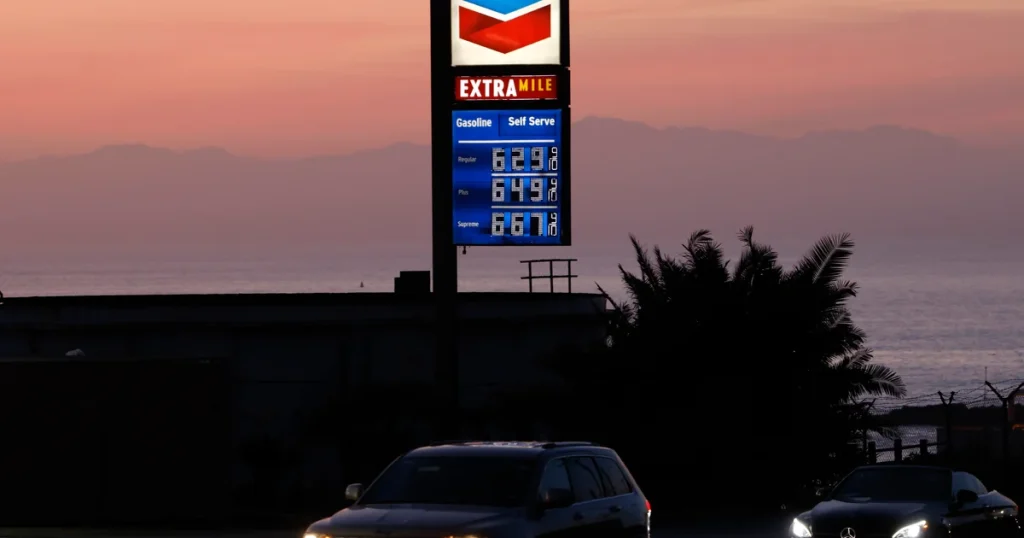
The easing of tensions could gradually reduce shipping costs, but energy experts caution that confidence in the pact’s longevity is still needed for oil exports to resume fully. While gas prices might stabilize in the coming weeks, they are unlikely to revert to pre-war rates quickly, continuing to strain household budgets and business expenses.
Capital Economics’ chief economist, Neil Shearing, added in a Monday report:
“Even if the strait reopens immediately, inflation will likely climb further in the near term, and some economic damage during Q3 is unavoidable.”
This sentiment aligns with the broader context of May’s inflation surge, which reached its highest level in over three years, with energy costs driving more than 60% of the monthly increase.
Uncertainties Remain
Another unresolved issue is whether Iran will impose tolls on ships passing through the strait. The U.S. has insisted the waterway remain free for all vessels. Analysts suggest that shipping and insurance firms will monitor the deal closely before resuming operations at full capacity, reflecting cautious optimism about its long-term viability.
As of Monday, the average national gasoline price stood at $4.07 per gallon, down from $4.53 a month earlier, according to AAA. However, this decrease hasn’t yet offset the 37% increase in pump prices since the conflict began, highlighting ongoing financial challenges for American consumers.