
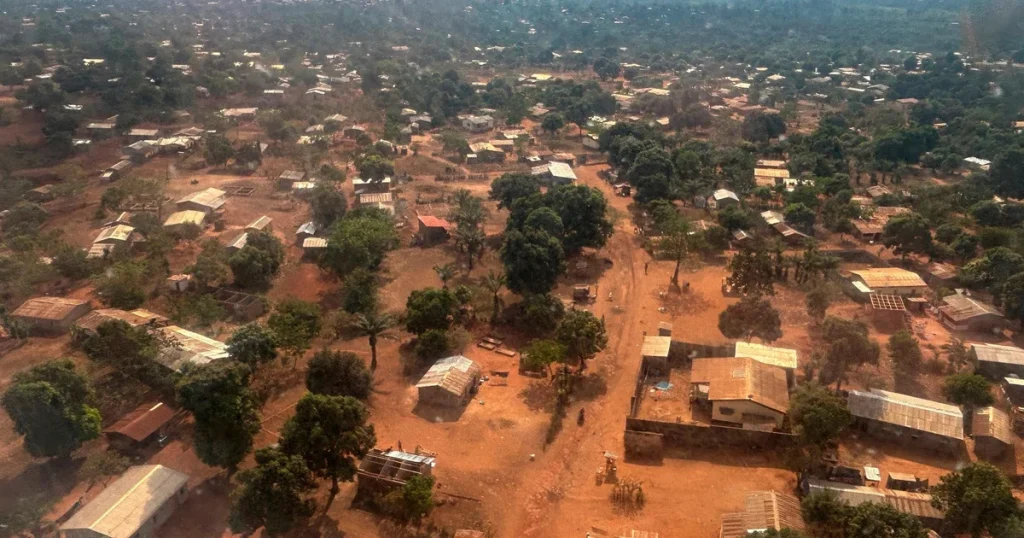
U.S. Deports Migrants to Central African Republic Amid High-Risk Travel Advisory
Wertynews.com – In a significant move, the U.S. continues its efforts to deport migrants from Afghanistan, Iran, and other countries to the Central African Republic, a nation currently under a Level 4 travel warning from the State Department. This action underscores the administration’s focus on sending undocumented individuals to regions deemed high-risk due to ongoing violence, political instability, and other threats. The policy aims to expedite removals while leveraging the Central African Republic’s precarious conditions as a strategic destination for deportees.
Deportation Process and Legal Framework
Recent operations have seen the deportation of approximately 20 individuals, including an Iranian pro-democracy activist who had previously been granted legal protection under a “withholding of removal” order. This legal measure typically shields immigrants from being sent back to their home countries unless they face specific risks, such as persecution. However, the Trump administration has prioritized deporting these individuals to third countries, even when legal protections exist, as part of its broader strategy to increase deportation numbers.
“Do not travel to the Central African Republic for any reason. U.S. citizens are at risk due to unrest, crime, kidnapping, health, terrorism, and other threats,” the State Department warns in its advisory. The country’s instability, coupled with its status as one of the world’s poorest nations, makes it an attractive target for U.S. deportation efforts.
The Central African Republic, which has faced years of armed conflict and human rights abuses, now serves as a key location in the administration’s plan to remove migrants to regions with limited resources and heightened dangers. This approach aligns with the administration’s aggressive stance on immigration, emphasizing the use of third countries as alternatives to countries where asylum seekers might face risks.
Reactions and Concerns from Advocacy Groups
Legal advocates have raised concerns about the impact of these deportations on vulnerable individuals. Emily Trostle, the lawyer for the Iranian activist, highlighted that her client was not informed of the deportation destination until the day before the flight. She argued that the Department of Homeland Security overlooked her client’s fears of persecution, despite the legal protections in place.
Two Iranian women, who had fled their country due to religious persecution and political targeting, were transported to Louisiana for deportation but were not boarded. Their case has drawn attention from advocacy groups like the Iranian American Legal Defense Fund, which stress the need for transparency and humane treatment in the deportation process. “These individuals are being removed from the U.S. and left in a country where they have no support or legal status,” Trostle said, warning of potential forced returns to their countries of origin.
“If you come to our country illegally, you could end up in CECOT, GITMO, or another third country,” said a DHS spokesperson. CECOT is a detention center in El Salvador, while GITMO refers to the U.S. naval base in Guantanamo Bay, Cuba. The statement reflects the administration’s focus on repatriating migrants to destinations where they may face greater challenges.
The Trump administration has consistently pushed for expanded deportation measures, with this latest operation aligning with its goal to remove undocumented individuals from the U.S. as quickly as possible. By targeting countries like the Central African Republic, the policy not only addresses perceived risks but also serves as a tool to increase the scale of deportations. This strategy has drawn criticism from immigration experts, who warn that it may lead to prolonged detention or hardship for those sent to unstable regions.
As the U.S. continues its deportation initiative, the Central African Republic remains a focal point for the administration’s efforts to relocate migrants. The decision highlights the intersection of immigration policy and global security, with the government positioning itself as a defender of national interests while navigating the complexities of international human rights. The policy’s long-term implications, however, remain a subject of debate among lawmakers, advocates, and the public.