
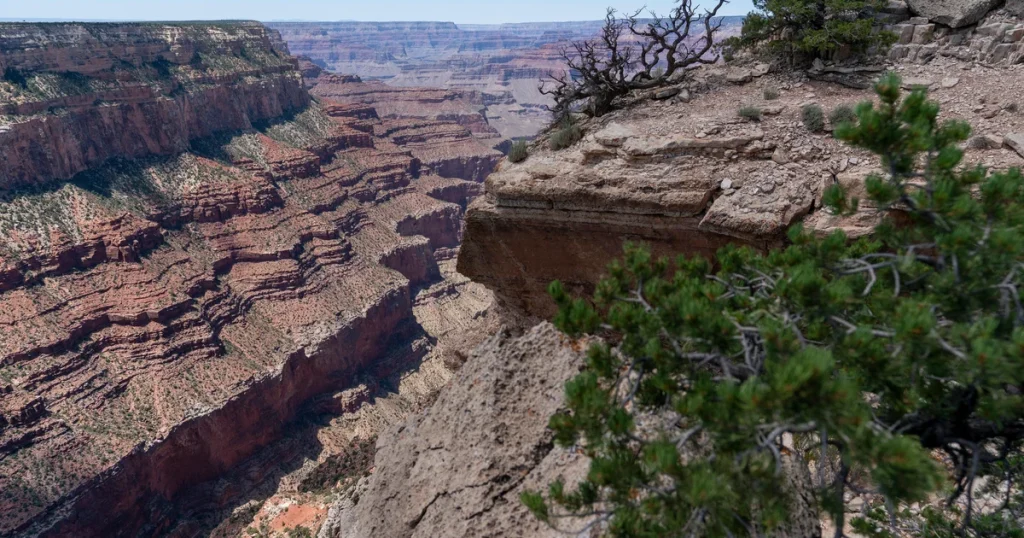
Teen Dies in Grand Canyon Hike from Heat-Related Illness
Wertynews.com – An 18-year-old male hiker tragically lost his life after exhibiting symptoms of heat-related illness during a challenging trek in the Grand Canyon. The National Park Service confirmed the incident occurred on Wednesday along the Bright Angel Trail, a well-known route that descends deep into the canyon. Rangers received the distress call at approximately 1:40 p.m. local time and swiftly initiated a rescue operation, ultimately locating the teen about 30 feet below the trail in a remote section of the park.
Heat-Related Illness and Its Deadly Impact
The teen’s condition was severe, with symptoms of heat-related illness indicating a critical health emergency. Heat stroke, the most dangerous form of such illnesses, can develop rapidly in high-temperature environments. According to the Centers for Disease Control and Prevention (CDC), heat stroke occurs when the body’s temperature rises to 106°F (41°C) or higher, often leading to confusion, slurred speech, loss of consciousness, and even seizures. The park service emphasized that the young hiker’s symptoms were consistent with this life-threatening condition, which requires immediate medical attention.
“Heat stroke is a medical emergency that can lead to organ failure and death if not treated quickly,” said a spokesperson for the CDC. “Hikers must recognize the signs and act swiftly to cool the body and provide hydration.”
The teen had hiked past Havasupai Gardens, a rest area and campground known for its 3,000-foot descent from the canyon rim. This section of the trail, while popular, is notorious for its steep inclines and exposure to intense sunlight, which can quickly elevate body temperatures in vulnerable individuals.
Trail Conditions and Hiker Safety
The Bright Angel Trail, though a major route into the canyon, is not designed for a single-day hike. The National Park Service has repeatedly advised visitors to plan for at least two days to complete the full descent to the Colorado River and back. On the day of the incident, temperatures in the canyon were recorded at a sweltering 98°F (37°C), with high humidity exacerbating the effects of the heat. These conditions create a dangerous environment, especially for those unprepared for the physical demands of the trail.
“The elevation changes and heat exposure on the Bright Angel Trail can lead to rapid dehydration and heat exhaustion,” stated a park ranger. “It’s essential for hikers to carry enough water, wear appropriate clothing, and take frequent breaks.”
The teen had planned a round-trip hike from the South Rim to the Colorado River, a journey that involves navigating through narrow paths and encountering unpredictable weather patterns. Despite the warning signs, the hiker may have underestimated the risks, leading to a catastrophic outcome.
The Coconino County Medical Examiner’s Office is conducting an investigation to determine the exact cause of the teen’s death. Preliminary findings suggest that the combination of prolonged physical exertion, high temperatures, and insufficient hydration contributed to his condition. Park officials have also cited the lack of proper gear, such as a hat or sunscreen, as potential factors in the incident. This tragedy highlights the importance of heeding safety guidelines, especially for those who may not be accustomed to the harsh conditions of the Grand Canyon.
“Teenagers often underestimate the impact of the desert heat, which can be deceptive even in moderate conditions,” noted a safety expert. “The symptoms of heat-related illness can progress rapidly, and without timely intervention, the results can be fatal.”
As the investigation continues, the incident serves as a sobering reminder of the dangers that can arise during outdoor activities in extreme weather. Experts urge hikers to stay informed, monitor their bodies for symptoms, and prioritize safety measures such as rest periods, shade, and hydration. The Grand Canyon, while a breathtaking destination, remains a challenging environment that demands respect and preparation from all visitors.