
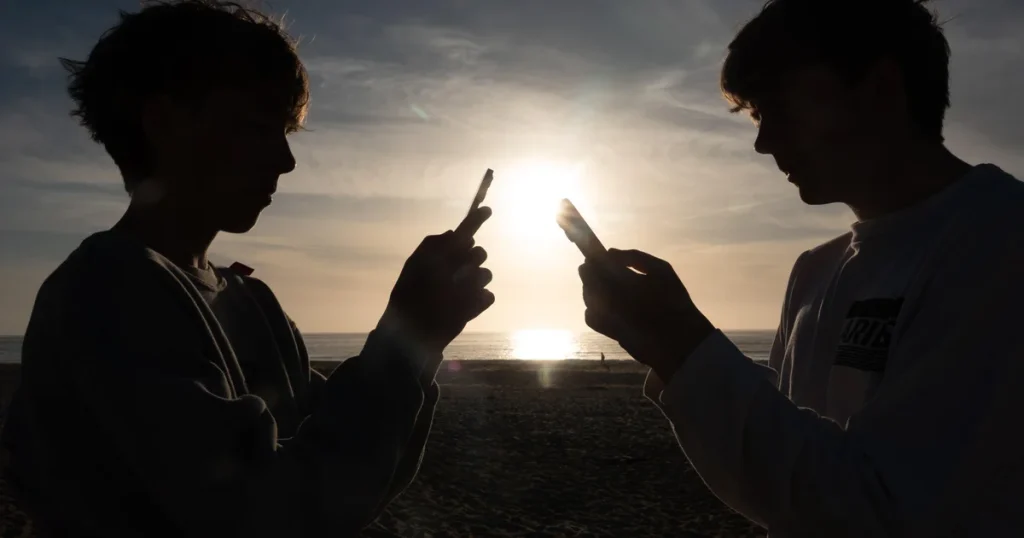
U.K. Announces Plan to Ban Social Media for Children Under 16
Wertynews.com – Britain has unveiled a new strategy to limit social media access for minors, targeting those aged 16 and younger. Prime Minister Keir Starmer outlined the initiative, emphasizing a broader approach than previous measures. The proposed rule would block children from engaging with features like live video streaming and direct communication with strangers on platforms such as Snapchat, TikTok, YouTube, Instagram, Facebook, and X. Gaming sites are also included in the restrictions, aiming to curb content that encourages addictive behavior. While WhatsApp remains accessible, the government will require tech companies to monitor and regulate usage to prevent harm.
Starmer highlighted the importance of shielding children from digital temptations, stating the policy would focus on content “designed to be addictive.” The law would apply to all under-16s, but its provisions for AI-generated “romantic companions” for those under 18 are still unclear. Firms failing to comply could face significant penalties, with the goal of passing the legislation by December and implementing it in early 2027.
Australia’s Early Ban and Parental Bypass
As the first nation to enforce a social media restriction for children, Australia introduced its ban in December 2025. Despite this, a March poll revealed that 70% of parents allowed their children to continue using platforms, often through workarounds that bypass age verification systems. Starmer acknowledged these challenges but defended the policy.
“We don’t say: ‘Oh, look, a teenager managed to get a drink somehow, so let’s not bother banning drinks from children.’ That would be utterly ridiculous!”
The U.S. Embassy in London expressed concerns about the effectiveness of age-gating mechanisms, urging a balance between protection and freedom of speech. Parents are described as “the first and best line of defense” for children, though UK polls show strong parental backing for the ban.
Greystones Initiative: A Community Approach
While the UK plans nationwide regulations, some communities have already taken action. In Ireland’s Greystones, a town known for its affluent lifestyle and scenic coastal views, residents have implemented a stricter policy: children receive smartphones only at age 22. At a local youth café, CBS News observed that 11- and 12-year-olds had no devices when asked.
Sam, a boy in the group, joked that his mother would delay smartphone access until he was 22. Sienna, another child, noted that “My Mum told me scientists did this brain scan. It’s the same brain as people — they’re thinking the same thing if they’re scrolling and drinking alcohol.” Rachel Harper, a teacher at St. Patrick’s National School, reported rising anxiety levels in her students three years after the pandemic. A community survey with 800 responses from educators revealed 95% believed digital platforms contributed to this trend.
Harper launched “It Takes a Village,” a campaign centered on restoring childhood. The initiative began with a voluntary agreement, encouraging parents to delay giving smartphones to their children. This grassroots effort underscores growing global concerns about the impact of social media on youth well-being, with similar legislative discussions ongoing in France, Denmark, and Malaysia.