
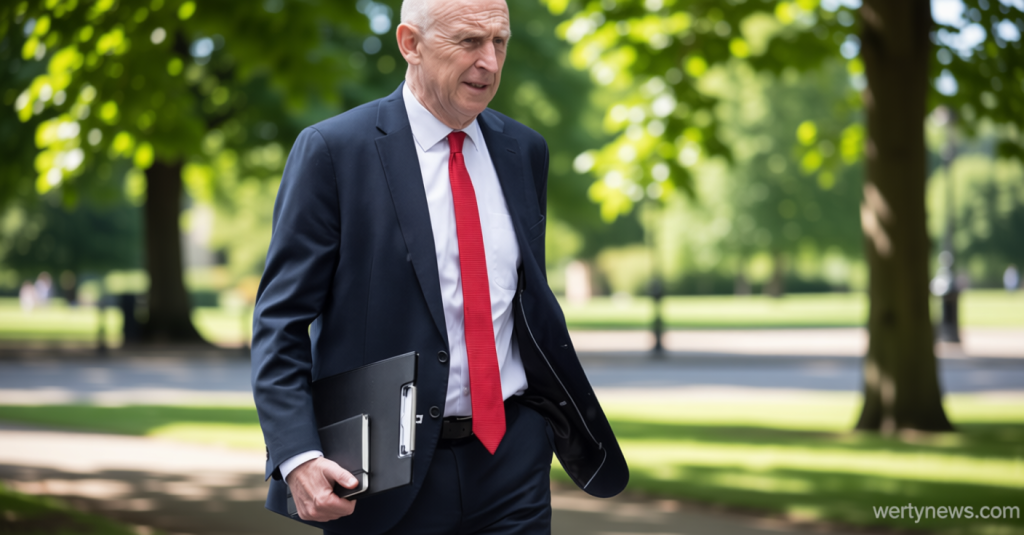
U.K. Defense Chief John Healey Resigns Over Funding Concerns
Wertynews.com – United Kingdom Defense Secretary John Healey has stepped down from his role, citing concerns that the government’s proposed military funding plan fails to meet the urgent needs of the armed forces. The resignation comes as Healey highlights a growing disconnect between the current budget allocation and the escalating security challenges faced by the country. His decision to leave the post underscores the importance of adequate financial support for defense capabilities, particularly in light of mounting threats from global conflicts and geopolitical tensions.
Funding Shortfalls and Strategic Priorities
Healey’s resignation letter, addressed to Prime Minister Keir Starmer, outlines the core issue: the Defense Investment Plan (DIP) lacks the necessary resources to sustain Britain’s military operations. He emphasized that the plan does not align with the government’s earlier pledges, which included committing to a 3% GDP defense spending target within two years. The DIP, released on Monday, has been criticized for falling short of this goal, raising alarms about the UK’s ability to maintain its strategic position within NATO.
“The DIP fails well short of providing the resources required to ensure our forces are prepared for the challenges ahead,” Healey stated in his letter. “Without this investment, we risk reducing military readiness and increasing the vulnerability of our troops in critical operations.”
Starmer’s government has been under pressure to meet NATO’s defense spending targets, which currently stand at 2.5% of GDP. The UK’s commitment to this goal has become a focal point in international discussions, especially as the country plays a leading role in NATO’s strategic initiatives. Healey’s exit adds to the growing tension within the government, with critics arguing that the current budget strategy compromises national security.
Global Security Threats and Military Deployment
Healey pointed to the dual pressures on the UK’s military resources, citing conflicts in the Middle East and the Arctic as key areas requiring increased funding. The UK co-leads a mission in the Strait of Hormuz, a critical chokepoint for global oil supplies, and now oversees NATO’s Arctic Sentry operation, which aims to monitor Russian activity in the region. These deployments, combined with the ongoing situation in Ukraine, have placed significant strain on defense budgets.
“With the DIP not reflecting the reality of our security needs, I am forced to take this step,” Healey added. “The risks to our personnel and the potential for reduced operational capability are too great to ignore.”
He also raised concerns about the potential for further military commitments if a ceasefire is reached in Ukraine. This scenario could force the UK to allocate more resources to Eastern Europe, exacerbating the funding shortfall. Healey’s critique has sparked a debate about the balance between domestic economic priorities and the need for a robust defense posture.
Opposition voices have echoed Healey’s concerns, with leaders from the Green Party and Conservative Party criticizing the spending plan as inadequate. Zack Polanski of the Green Party called the government’s approach “a mess, unable to govern,” while Kemi Badenoch from the Conservatives praised Healey’s stance, labeling the DIP “shocking” for its potential to endanger troops. These reactions highlight the political stakes of the funding decision.
Meanwhile, the UK’s commitment to NATO remains a central theme in international diplomacy. Prime Minister Starmer is set to meet NATO leaders in Ankara in July to reaffirm the alliance’s defense goals, including reaching the 3.5% GDP target by 2035. However, Healey’s resignation signals that the government may face challenges in meeting these commitments without significant budget adjustments.
Healey’s departure also raises questions about the future of UK defense policy. His focus on modernization and readiness has been a cornerstone of his tenure, and his absence could lead to a shift in priorities. Analysts suggest that the debate over funding will continue to shape the government’s approach to national security, with implications for both domestic and international operations.