
Deportations of Immigrant Parents Spark Long-Term Mental Health Struggles in Children
Los Angeles: A Teenager’s Life Upended by Family Separation
Wertynews.com – When Damian Zermeño, a 15-year-old, arrived home from school on October 3, he noticed an immediate change in his family’s dynamic. His aunt was visibly distraught at the dining table, and his father—Saúl Zermeño, a 45-year-old single parent—was absent. That morning, Saúl had attended a standard immigration check-in at an ICE office, a task he had performed for years under deferred action. His attorney noted that this status allowed him to remain in the U.S. and work. Yet, that day, officers deported him to Mexico, where he had not lived since childhood. Damian, who was raised by his father since infancy due to his mother’s disengagement, now faced an emotional void across thousands of miles and a fortified border.
The Trump administration’s policies have led to the separation of hundreds of thousands of children, many U.S. citizens, from their parents. In some cases, mothers and fathers are detained for months in facilities far from their families. These separations, often sudden and without warning, leave children grappling with fear and uncertainty. Parents have been arrested while dropping off their kids at school, within their homes, or during check-ins with their children present. Most detainees have no criminal record, as unauthorized presence in the U.S. is typically a civil violation.
“You can just see it in their faces; it’s almost like the light has been dimmed in their eyes,” said the Rev. Tanya Lopez, a pastor at Downey Memorial Christian Church. She frequently visits immigrant families as part of a Los Angeles-based support network of religious leaders.
Damian’s experience reflects a growing trend among children from immigrant families. Preschoolers show speech delays, elementary students express suicidal thoughts, and teenagers become so anxious they avoid leaving their homes. Studies consistently highlight that parental separation disrupts children’s psychological and physical development, elevating risks for depression, anxiety, post-traumatic stress, and weakened immunity. The loss of a primary caregiver triggers lasting stress on the brain and body.
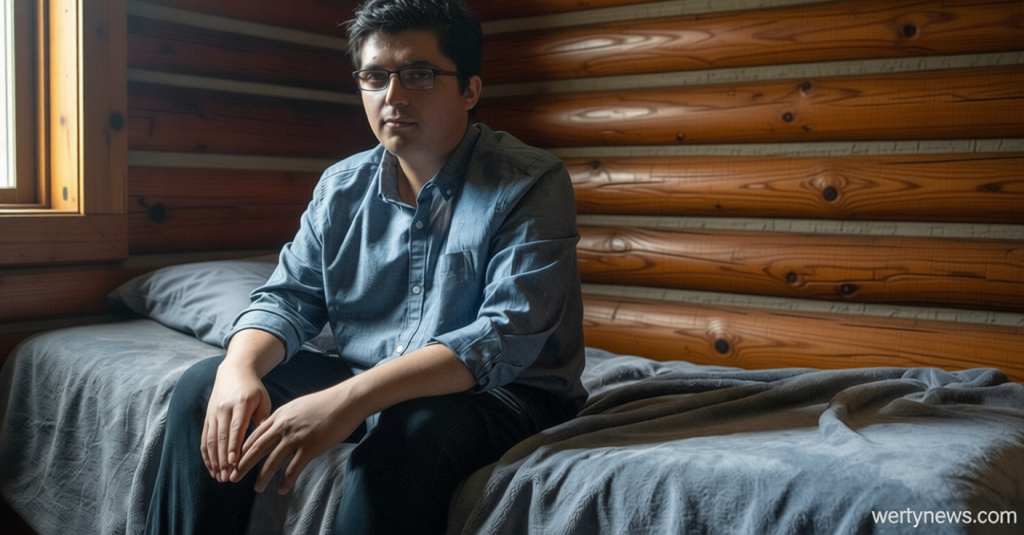
For Damian, the emotional toll was immediate. After his father’s deportation, he withdrew from school, stopped eating, and refused to interact with friends. He abandoned his favorite video game, Fears To Fathom, and even his passion for English class faded. His father had been his constant companion, with family members joking that they never saw them apart. Saúl had also taken Damian to medical appointments, managing his attention-deficit/hyperactivity disorder and autism. Now, without his father’s presence, Damian’s world has become fragmented.
The Department of Homeland Security stated that ICE does not separate families, offering parents the option to take their children with them or arrange for a caregiver to stay behind. However, a report by the Women’s Refugee Commission and Physicians for Human Rights revealed that many parents are not given this choice. The study found ICE often overlooks children’s well-being, failing to check on them during detentions. Saúl Zermeño claimed officers did not inquire about his son’s condition when he was removed. As a result, children like Damian are left to navigate adolescence alone, their futures uncertain.