
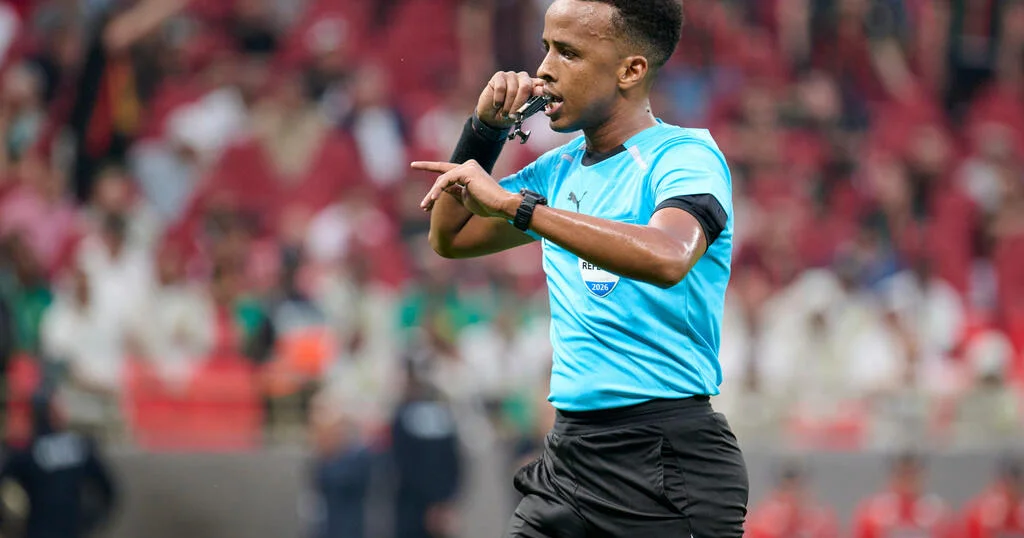
U.S. Bars Somali FIFA Referee from World Cup Over Vetting Concerns
Wertynews.com – The United States has barred Somali FIFA World Cup referee Omar Artan from entering the country, citing national security “vetting concerns” in a decision that has sparked debate within the international football community. Customs and Border Protection (CBP) denied Artan’s entry on Sunday, according to a statement released Monday, marking a significant hurdle for the referee as he prepares to officiate in the 2026 tournament. This move highlights the growing influence of U.S. immigration policies on global sports events, as officials emphasize their commitment to security even in the face of potential logistical challenges.
Vetting Concerns and Immigration Policies
Omar Abdulkadir Artan, who arrived at Miami International Airport via Istanbul, faced heightened scrutiny during his inspection. CBP officials stated that they assess individuals “on a case-by-case basis” using law enforcement, national security, and immigration data. While the exact reason for his denial remains undisclosed, the decision aligns with the Trump-era travel ban that targets foreign nationals from 39 countries, including Somalia, under the guise of national security. Despite exemptions for athletes and staff, the administration retains broad authority over visa approvals, raising questions about the balance between security and accessibility in international competitions.
Artan, 38, is a highly regarded official with a distinguished career in football. He has served as a referee at the Africa Cup of Nations and was recently named Male Referee of the Year by the Confederation of African Football. His inclusion in the 2026 World Cup, co-hosted by the U.S., Mexico, and Canada, had been anticipated as part of a diverse officiating squad. However, the U.S. bars entry of FIFA decision has cast doubt on his ability to contribute to the event, underscoring the administrative complexities of hosting a global tournament.
Broader Implications for Global Football
The incident has drawn criticism from football officials and advocates who argue that such restrictions may hinder the sport’s global unity. “Omar Artan is among Africa’s most respected referees and deserves the support of the entire football community,” said Ciise Aden Abshir, a senior adviser to Somalia’s Ministry of Youth and Sports and former national team captain. She called the exclusion a setback for “football’s commitment to fairness, merit, and the spirit of fair play.” Artan’s case reflects a broader trend where U.S. immigration policies increasingly intersect with international sports, potentially affecting teams and officials from countries under scrutiny.
Immigration and Customs Enforcement (ICE) is playing a key role in securing the 2026 World Cup, with White House border czar Tom Homan emphasizing national security as the “primary focus.” He stated, “If we find a national security issue and it involves an illegal alien, of course we’re going to take action on that. But the primary focus is: Keep those events safe, keep this nation safe, and keep the spectators and the athletes safe.” This statement echoes the administration’s stance that security concerns must take precedence over other considerations, even for high-profile international events.
The U.S. bars entry of FIFA decision has also raised concerns about the impact on the tournament’s logistical planning. With games spanning over a dozen venues across North America, the need for a seamless flow of officials, players, and support staff is critical. Artan’s exclusion highlights how visa policies can create disruptions, especially for countries with limited diplomatic resources. Immigration officials have not provided specific details about his case, but the decision has been interpreted as part of the broader strategy to tighten visa controls for foreign nationals.
As the 2026 World Cup approaches, the incident underscores the tension between national security measures and the global nature of sports. The tournament, set to begin in Mexico City on June 11, will feature 48 teams and attract millions of visitors. The U.S. bars entry of FIFA decision has added an unexpected layer of complexity to preparations, as organizers navigate the intersection of immigration law and international competition. With ongoing visa challenges for Iranian officials and others, the focus on “vetting concerns” has become a central theme in the lead-up to the event.