
Utah Boarding School License Revoked Over Paris Hilton Abuse Claims
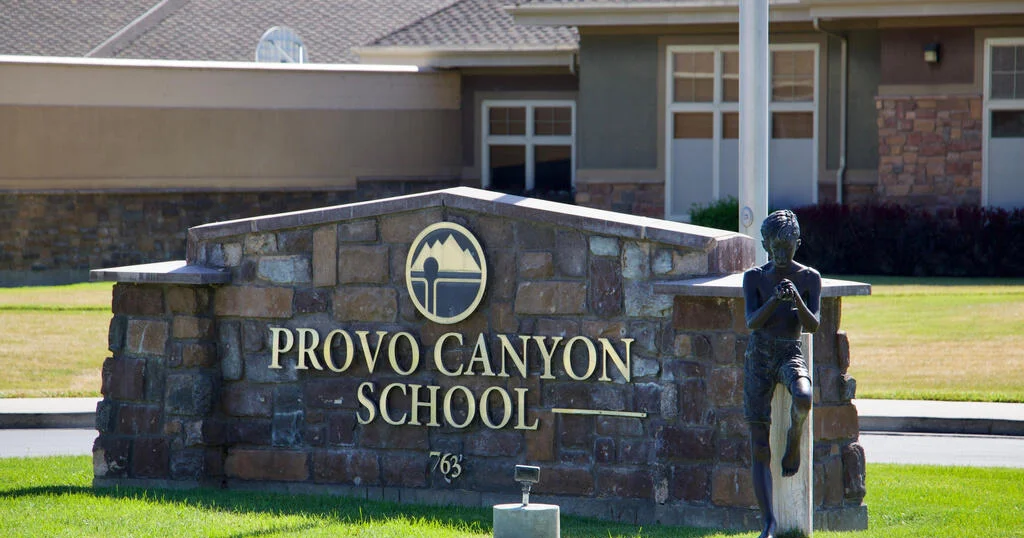
Wertynews.com – The license of a Utah boarding school linked to Paris Hilton’s abuse allegations has been officially revoked by the state’s Health & Human Services department. Provo Canyon School, which Hilton claimed subjected her to physical and emotional mistreatment during her teenage years, faces closure after failing to meet essential health and safety requirements. This decision, announced on Monday, follows a comprehensive review of the facility’s practices and is a direct response to long-standing concerns raised by survivors and advocates.
Deficiencies Leading to License Revocation
State officials identified multiple critical deficiencies at the Springville campus of Provo Canyon School, including insufficient staff-to-student ratios, improper use of restraints, and instances of physical aggression. The school was also found to neglect proper care protocols and delay background checks for employees. These lapses, dating back to 2025, have prompted the Utah Department of Health & Human Services to mandate an immediate shutdown, with the school given 15 days to challenge the revocation through a formal hearing. The move underscores the state’s commitment to prioritizing student welfare over institutional continuity.
Provo Canyon School’s Response and Legal Options
In a Tuesday statement, Provo Canyon School expressed its dissatisfaction with the revocation, stating it would explore all legal avenues to contest the decision. The school emphasized its dedication to providing quality care for adolescents and their families, while acknowledging the ongoing investigation into its practices. “We are constrained in our comments until this active inquiry concludes,” the statement said, highlighting the school’s stance that the closure is premature and that it remains committed to its mission of therapeutic support for young people.
Paris Hilton, 45, spent almost a year at the school in the late 1990s. She detailed her experiences in congressional hearings, describing how staff beat her, monitored her personal hygiene, and administered medications without her consent. These accounts, coupled with reports of students being confined to solitary rooms without clothing, have fueled years of advocacy for greater accountability in the troubled teen industry. The license revocation represents a pivotal moment in that campaign, offering a rare victory for those pushing for systemic reform.
Regulatory Actions and Long-Term Implications
Shannon Thoman-Black, director of Utah’s licensing division, reiterated that the facility must cease operations by August 6, with no possibility of reopening until a new license is granted. The school’s owners now face a five-year ban on reapplying for accreditation, a measure designed to ensure rigorous oversight before reinstating services. “Without proper safeguards, it’s unsafe to assume a facility is prepared to care for students,” Thoman-Black stated, emphasizing the need for transparency and adherence to state regulations.
Utah’s regulatory response reflects broader scrutiny of residential treatment facilities nationwide. The state has long been a key hub for the troubled teen industry, which includes for-profit centers catering to youth with behavioral or emotional challenges. Provo Canyon School’s license revocation marks a turning point, as it highlights the growing pressure on such institutions to address past misconduct and improve current standards. Advocates argue this action sets a precedent for holding similar facilities accountable for their treatment methods.
Advocacy and Legislative Impact
Hilton’s testimony has played a central role in shaping legislation across Utah and 15 other states, advocating for stricter protections for adolescents in residential care. In June, she returned to the facility to support families who had sued over alleged mistreatment of their children, reinforcing the emotional and physical toll of these practices. The revocation of the school’s license not only validates years of survivor advocacy but also serves as a catalyst for further reform in the industry. As the facility prepares for closure, the focus shifts to ensuring students are transitioned to safer environments.