
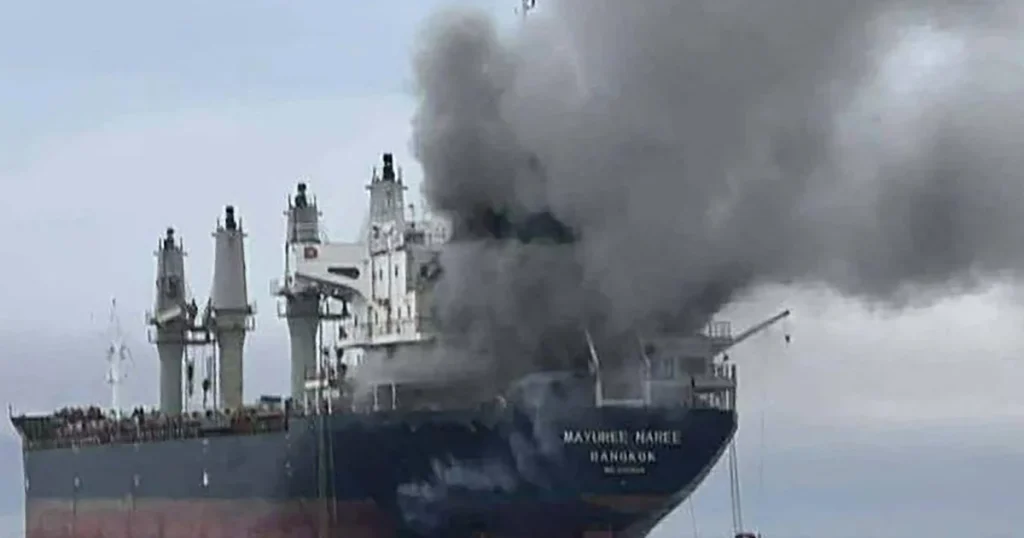
14 Dead, Thousands Stranded in Hormuz Strait Crisis
Wertynews.com – Amid escalating tensions between Iran and the United States, the Strait of Hormuz has become a focal point of a maritime crisis that has left over 14 seafarers dead and thousands of mariners stranded. The conflict, which has persisted for more than 109 days, has disrupted global shipping routes, trapping vessels in the narrow waterway and forcing crews into dire conditions. The toll on those stuck in the region has grown as both sides continue to target ships suspected of violating sanctions or naval restrictions. At least 14 mariners have lost their lives, with three Indian nationals killed in a U.S. strike on an Iranian tanker just days ago.
The Human Toll of the Conflict
Conditions aboard the immobilized ships have deteriorated rapidly, according to Manoj Yadav, general secretary of the Forward Seamen’s Union of India. “Many called us and said they are not able to sail further,” Yadav told CBS News during a Monday call. The strait, a vital artery for global oil trade, has turned into a battleground where sailors face severe shortages of food, water, and medical supplies. With over 600 vessels unable to move, the situation has become increasingly desperate, and the plight of mariners has drawn attention to the broader humanitarian impact of the ongoing standoff.
India’s shipping ministry has confirmed that nearly 18,000 of its seafarers remain stranded in the Gulf, many expressing feelings of entrapment akin to being in “a jail.” The tragedy of the MT Celestial Sea, where a fourth Indian sailor, Second Officer Nishanth Uirthanathan, died last week, highlights the grim reality. His body remained on board for three days without refrigeration, according to Yadav, before being recovered. This incident underscores the vulnerability of crews caught in the crossfire of geopolitical tensions.
Humanitarian Efforts and Evacuation Plans
“Words on paper must now translate into action for the transport workers who have paid the price of this conflict,” said the International Transport Workers’ Federation. The organization is working closely with the U.N.’s International Maritime Organization to coordinate evacuation efforts and ensure the safety of stranded mariners. Despite these initiatives, the scale of the crisis has overwhelmed resources, leaving many sailors without clear paths to return home.
While some Indian mariners have managed to return to the country by land, they have faced significant financial losses due to extended stays and delayed departures. For crews on U.S.-sanctioned vessels, such as the MT Marivex, the uncertainty has been even greater. “They are just looking, what are the size of the vessel, where are the trading areas, and how much salary they will get,” Yadav noted, emphasizing that survival has become the primary concern for those affected.
The U.S. military has detained nine ships and redirected 135 others during the conflict, citing violations of its blockade. On May 20, CENTCOM reported that forces boarded the Celestial Sea after suspecting it of attempting to breach the U.S. blockade by heading toward an Iranian port. The ship was released following a course correction, but the incident only intensified fears of further attacks. The focus keyword “14 dead thousands stranded” resurfaces as a recurring theme, reflecting the scale of the human and logistical crisis unfolding in the region.
Global Repercussions and Calls for Action
The humanitarian crisis in the Strait of Hormuz has sparked international concern, with families of the deceased demanding accountability and compensation. Aditya Sharma, the grandfather of a mariner killed in the U.S. strike on the Palau-flagged M/T Settebello, described the emotional toll of the conflict. “Our hearts are shattered,” he said, adding that the union has called for a U.N. investigation into the incident and is seeking at least $5 million in damages for the victims’ families.
As the conflict drags on, the crisis has exposed the fragility of global supply chains and the human cost of geopolitical disputes. The stranded sailors, who have been unable to reach their ports of call, represent a stark reminder of how war and sanctions can disrupt everyday life. With over 14 dead and thousands still in limbo, the situation continues to evolve, and the need for a coordinated response grows more urgent. The focus keyword “14 dead thousands stranded” is further reinforced as the story unfolds, highlighting the gravity of the situation and the call for immediate relief.