
Live Updates: U.S. Denies Iran Closed Strait of Hormuz, U.S. Strike Kills Sailors
Wertynews.com – Live Updates: U.S. Denies Iran Closed Strait of Hormuz, U.S. Strike Kills Sailors – Updated on: June 11, 2026 / 8:06 AM EDT / CBS News
U.S. Strike on Iranian Vessel Sparks Maritime Tensions
The U.S. military confirmed on Wednesday that it had targeted an Iranian oil tanker in the Gulf of Oman, asserting that the vessel had violated maritime rules by moving crude oil without authorization. This incident, part of a broader escalation in the region, has raised concerns about the Strait of Hormuz, a critical chokepoint for global oil supplies. While the U.S. claimed it did not close the strait, the attack on the Jalveer, a Guinea-Bissau-flagged ship, has fueled accusations of deliberate disruption of shipping lanes. The strike, which used two Hellfire missiles, damaged the vessel’s engine room and left its crew scrambling to respond. This marks the third commercial vessel hit this week, according to U.S. Central Command, highlighting the intensifying conflict between Iran and the United States.
“The U.S. has consistently denied any attempt to close the Strait of Hormuz, but this strike demonstrates a willingness to challenge Iranian influence in the region,” stated a Pentagon spokesperson. The incident underscores the high stakes of the ongoing geopolitical clash, with the strait’s strategic importance drawing international scrutiny. Analysts note that the U.S. is aiming to assert control over oil flows, while Iran seeks to retaliate for past attacks on its assets.
Indian Casualties and Diplomatic Fallout
The U.S. strike also claimed three Indian lives, as the Settebello, a Palau-flagged ship, was hit during its passage through the Gulf of Oman. An Indian official confirmed Thursday that the bodies of the deceased mariners were recovered, with the minister of ports, shipping, and waterways, Sarbananda Sonowal, expressing deep sorrow over the incident. “This is a profound loss to our maritime family,” he wrote, emphasizing the human cost of the conflict. The attack followed a day of heightened tensions, as the U.S. accused the ship of participating in a convoy breaching its embargo on Iranian oil.
“Sadly, three Indian seafarers initially reported missing are now confirmed dead after two bodies were recovered,” said Sonowal. “This is a profound loss to our maritime family.” The ministry is still investigating the location of the third body, which remains a focal point for diplomatic negotiations. India’s strong protest over the incident has prompted a senior U.S. diplomat to be dispatched to Doha, Qatar, to address concerns and clarify the circumstances of the strike.
Diplomatic Efforts Amid Escalation
Despite the violence, diplomatic efforts continue to bridge the gap between the U.S. and Iran. Qatar’s delegation, which had been in late-night talks in Tehran, returned to Doha after concluding its mission to ease tensions. The country’s foreign ministry highlighted its role in facilitating dialogue, aiming to prevent further escalation. Similarly, Pakistan has maintained its mediation efforts, with officials stating they are actively working toward a “negotiated settlement” between the two nations.
These diplomatic overtures come as the U.S. and Iran navigate a volatile period. While the U.S. denies closing the Strait of Hormuz, the attacks on Iranian vessels and infrastructure have increased the risk of a broader conflict. The focus keyword “Live Updates: U.S. denies Iran closed Strait of Hormuz” is central to understanding the current geopolitical dynamics. With oil supplies at risk, the international community watches closely as both sides maneuver for strategic advantage.
Iranian Retaliation and Regional Impact
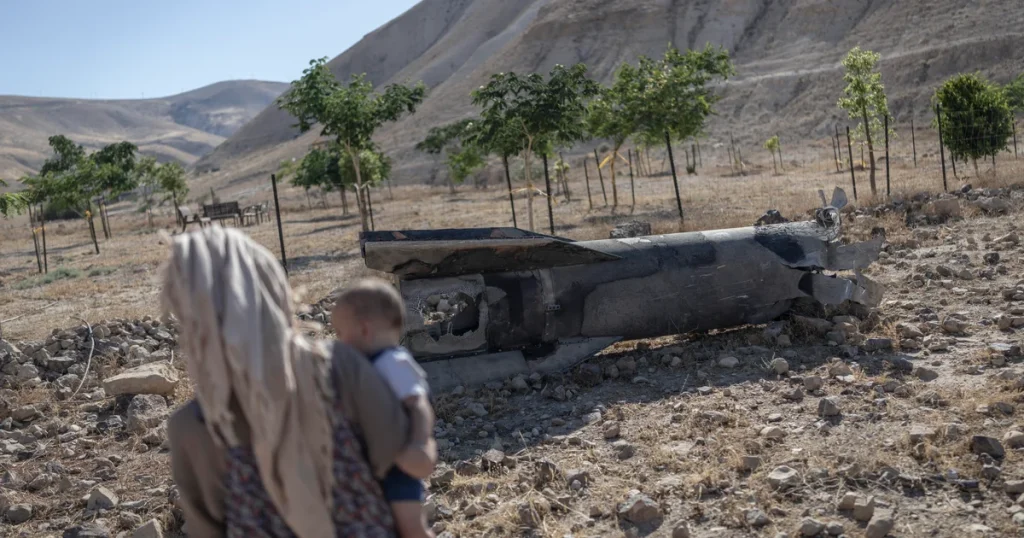
Iran retaliated swiftly, launching a series of attacks on U.S. and allied military installations in Kuwait, Bahrain, and Jordan. The Jordanian Armed Forces reported intercepting 20 Iranian missiles launched Thursday toward the Al-Azraq Air Base, where a significant U.S. presence is located. No casualties or damage were reported from the debris, but the strikes signaled Iran’s resolve to respond to American aggression.
“It is hard to be an optimist in the new exchange of hostilities,” remarked Pakistan’s foreign ministry spokesman Tahir Andrabi. “But we haven’t lost hope, we remain engaged.” The attacks on U.S. targets follow a pattern of escalating threats, with Iran’s Revolutionary Guard Corps claiming it had launched 12 ballistic missiles at Al-Azraq and its control center. The strikes, coordinated with the timing of the U.S. Central Command’s announcement of additional operations, have intensified fears of a prolonged conflict in the region.
Secondary Attacks and Rescue Operations
Following the initial strike, a second U.S. operation targeted a cargo vessel in the Gulf of Oman, according to Sirik county governor in Iran. The 150-ton dhow, which transported essential supplies, was hit five nautical miles off Khasab port. Five crew members were rescued by nearby ships and brought to Oman, where they are receiving medical attention. The attack, while less severe than the previous one, highlights the U.S.’s strategy of disrupting Iranian supply chains and operations in the region.
Meanwhile, an Iranian drone intercepted over Bahrain caused minor injuries and property damage in Hamad Town and Manama. The Ministry of Interior noted that debris from the incident set cars ablaze and damaged homes. These incidents, though localized, contribute to the growing sense of instability in the Gulf, with the U.S. and Iran’s actions