
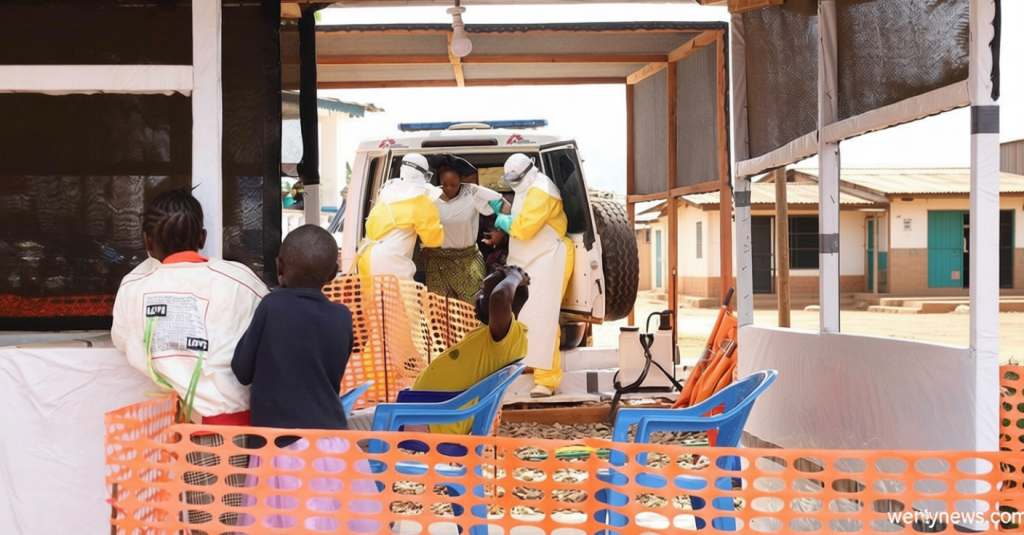
Ebola Outbreak in Congo Surpasses 1,000 Cases, 250+ Deaths Reported
Wertynews.com – The confirmed Ebola cases in Congo have surged past the 1,000 mark, with over 250 fatalities reported in the ongoing epidemic, according to government officials. This alarming trend has intensified concerns about the virus’s spread in the eastern region, particularly in Ituri province, where the outbreak has persisted since May 15. As of the latest update, 100 individuals have recovered, yet 365 patients remain under medical care in hospitals or isolation centers, underscoring the immense pressure on healthcare infrastructure.
Understanding the Bundibugyo Virus
The current outbreak is attributed to the Bundibugyo virus, a less common strain compared to the more frequently reported Zaire virus. While the Zaire variant has historically been more lethal, the Bundibugyo strain poses unique challenges due to its slower progression and lower awareness among the public. Officials emphasize that the virus’s rarity may have contributed to delayed responses, allowing it to spread more rapidly than anticipated. With confirmed Ebola cases in Congo now exceeding 1,000, the situation demands urgent attention to both containment and treatment strategies.
Health experts have warned that the Bundibugyo virus, though not as deadly as its counterpart, still carries a high mortality rate. The Ministry of Health has reported that the outbreak has now claimed over 254 lives, with the death toll continuing to rise. This figure is particularly striking given the relatively small population in the affected areas. The government has issued emergency alerts, urging communities to adhere to strict hygiene protocols and quarantine measures to curb the transmission of the virus.
Challenges in Contact Tracing
One of the major hurdles in managing the outbreak is the inefficiency of contact tracing. So far, health teams have traced over 35,000 individuals, but the process is hampered by the region’s instability and logistical difficulties. Rebel groups, including the Allied Democratic Force, have attacked villages, disrupting healthcare access and forcing residents into crowded displacement camps. These factors have created an environment where the virus can thrive, making it harder to identify and isolate potential cases.
“To control an outbreak, especially one like Ebola, you must know the index case. We don’t have confidence about when this outbreak started,” said Dr. Jean Kaseya, Director-General of the Africa Centers for Disease Control and Prevention, during a recent interview with The Associated Press.
The lack of complete contact tracing has also led to uncertainty about the virus’s origin. While some theories point to a single source, others suggest multiple introductions into the community. This ambiguity complicates efforts to predict the outbreak’s trajectory and allocate resources effectively. The World Health Organization has called for improved coordination between local and international teams to enhance tracking capabilities and reduce the risk of further spread.
Additionally, the displacement camps have become hotspots for transmission. In Bunia, the capital of Ituri province, a camp reported 10 deaths last week, even though no confirmed cases of Ebola had been identified there. The camp’s officials described the mortality rate as unprecedented, raising alarms about the potential for the virus to spread unnoticed in densely populated areas. The United Nations refugee agency has highlighted that over 2 million people, including 320,000 refugees, are living in conditions that make containment efforts difficult.
Global Response and International Aid
In response to the escalating confirmed Ebola cases in Congo, the international community has mobilized resources to support local efforts. The World Health Organization and the Centers for Disease Control and Prevention have deployed medical teams to assist with diagnosis, treatment, and public health education. Meanwhile, pharmaceutical companies are working to distribute vaccines and antiviral medications to high-risk zones. Despite these interventions, the outbreak continues to outpace response measures, leaving health workers overwhelmed.
Experts have also called for increased funding to expand testing capacity and improve infrastructure. With confirmed Ebola cases in Congo reaching 1,003, the need for rapid diagnosis is critical to preventing further transmission. The Ministry of Health has set up mobile clinics to reach remote areas, but these efforts are still limited by shortages of personnel and equipment. International donors have pledged millions of dollars to bolster the response, but much work remains to be done to ensure timely and effective action.
Public health campaigns are being intensified to raise awareness about prevention measures. Officials are distributing informational materials in local languages and conducting community outreach to encourage people to seek medical help promptly. However, cultural resistance and fear of stigma have slowed progress in some areas. The outbreak has also exposed vulnerabilities in the healthcare system, with many facilities struggling to manage the influx of patients.
“If a disease or epidemic were to spread among the thousands living at this site, it would be a real catastrophe given our already precarious living conditions,” said Charité Banza, a community leader in Ituri.
As the confirmed Ebola cases in Congo continue to mount, the global health community is closely monitoring the situation for any signs of a larger regional crisis. The outbreak serves as a reminder of the fragility of public health systems in conflict zones and the importance of sustained investment in disease prevention. With over 250 deaths and 1,